
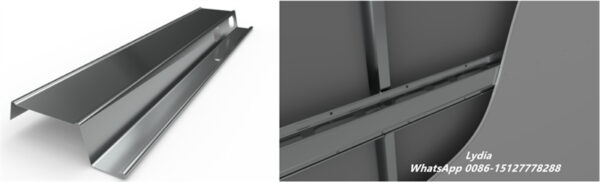
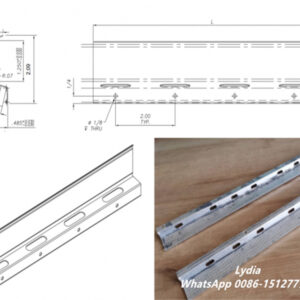
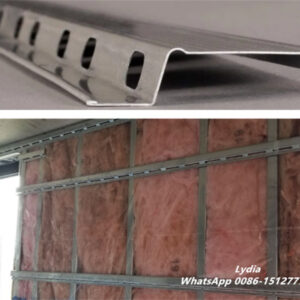
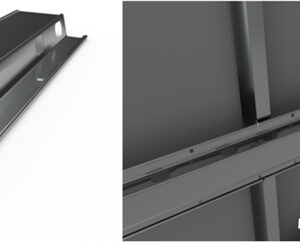

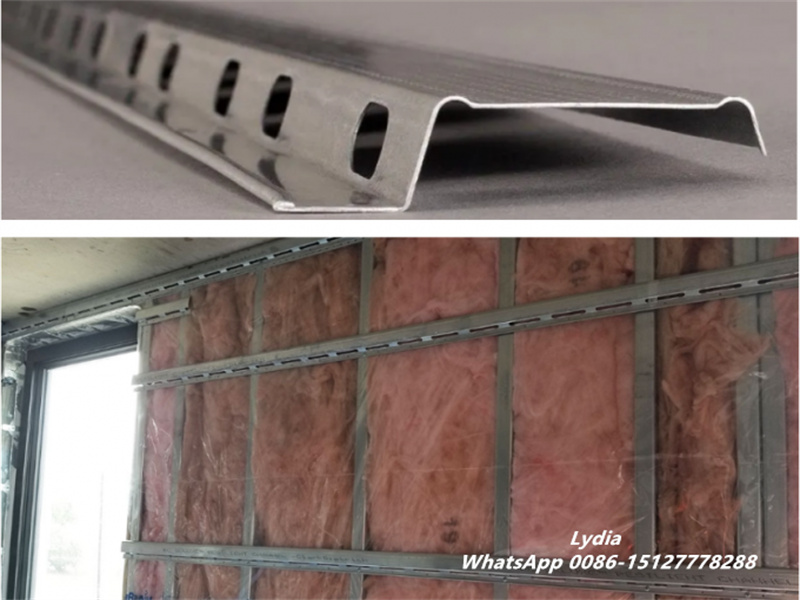
A Resilient Channel (RC-1) is a single-leg metal channel designed to reduce sound transmission in drywall partition systems. Builders widely use it in wall and ceiling assemblies to improve acoustic performance.
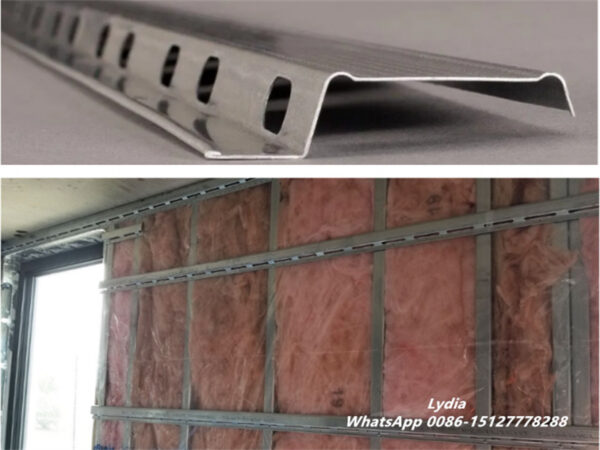
Instead of attaching gypsum boards directly to studs or joists, installers mount the boards on resilient channels. As a result, the channel creates a small separation between the gypsum board and the framing structure. This separation helps absorb and dissipate vibration energy, which significantly reduces noise transfer between rooms.
Moreover, contractors often install sound attenuation insulation blankets inside wall cavities or floor spaces. This additional insulation further enhances the soundproofing performance of the system.
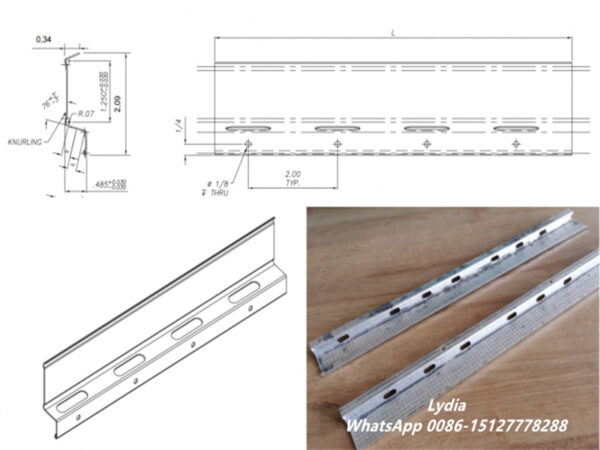
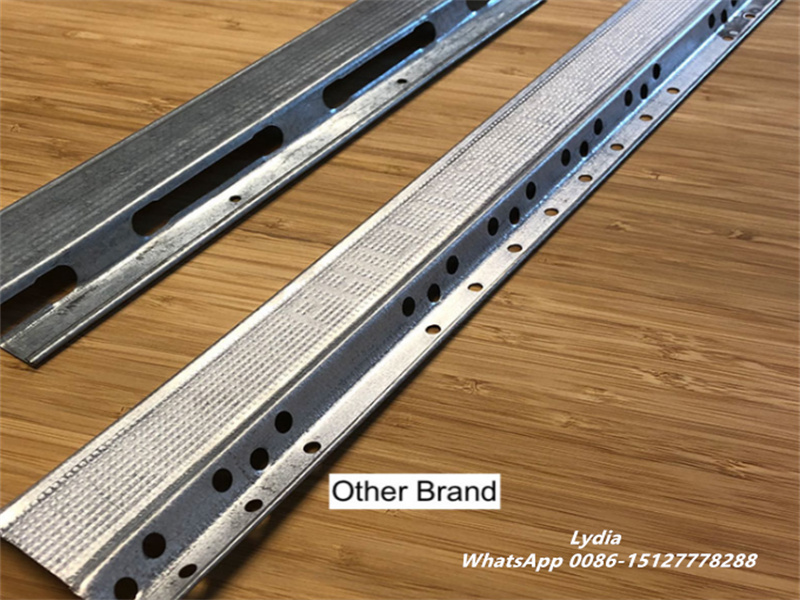
Another practical feature is the knurled surface of the resilient channel, which allows installers to screw gypsum boards quickly and securely. In addition, manufacturers pre-punch holes in the channel, making it easy to connect the channel to both steel and wooden framing structures.
RC-1 vs RC-1 Max
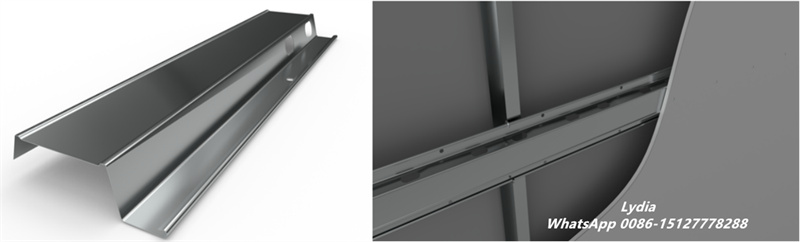
Manufacturers typically produce resilient channels in two versions: RC-1 and RC-1 Max.
The standard RC-1 channel uses 25 gauge (18 mil) steel and is mainly applied in interior drywall partitions.
However, when projects require higher strength and durability, contractors choose RC-1 Max. This version is made from 20 gauge (33 mil) steel, which provides greater rigidity. Therefore, RC-1 Max works well in heavier framing applications such as exterior curtain wall systems.
Resilient Channel Specifications
Common specifications include:
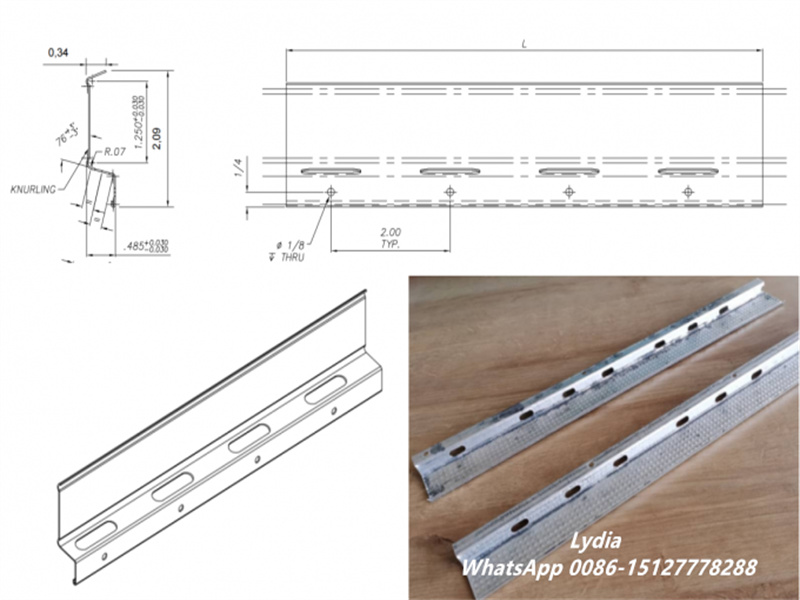
- Size: 2″ × 1/2″ channel with 1-1/4″ flange
- Material Thickness:
- 25 gauge (18 mil) – RC-1
- 20 gauge (33 mil) – RC-1 Max
- Standard Length: 12 ft
These specifications allow resilient channels to meet typical drywall and acoustic construction requirements.
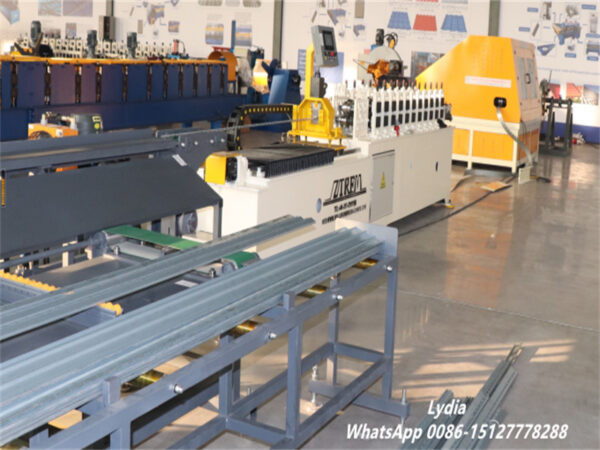
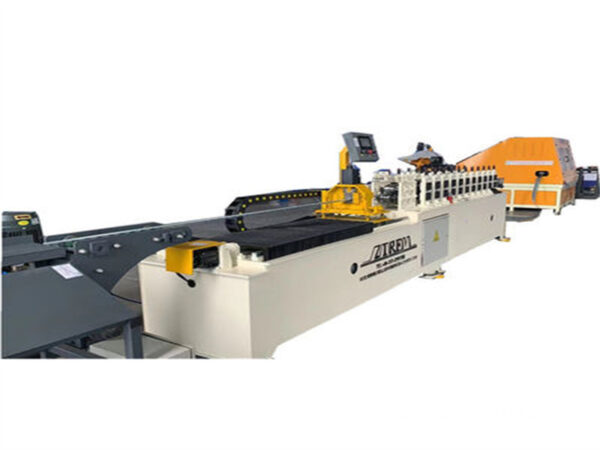
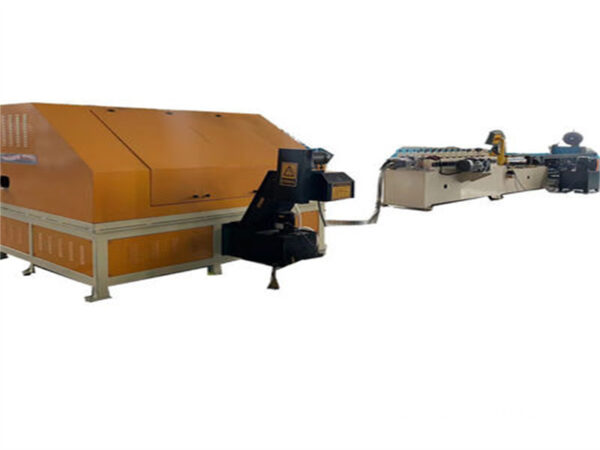
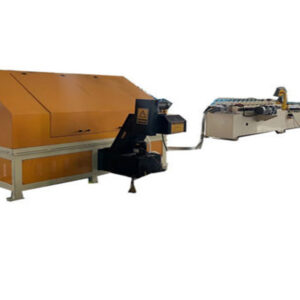
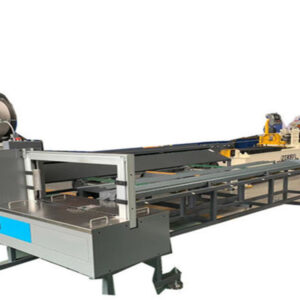
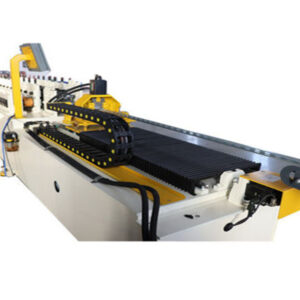
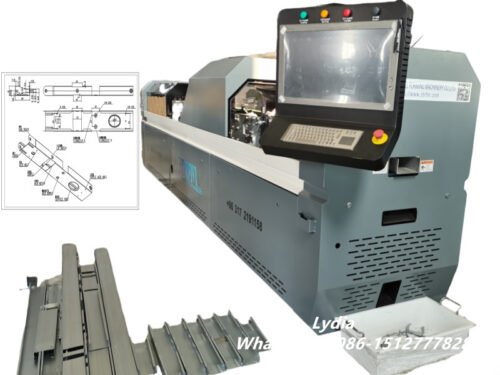
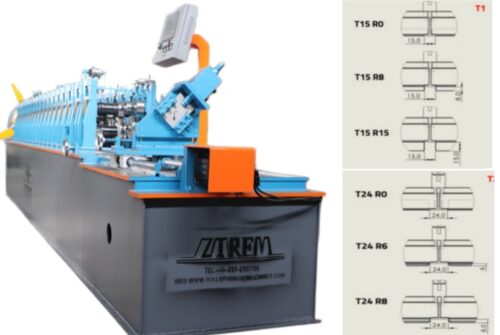
Single-Leg Resilient Channel Roll Forming Machine
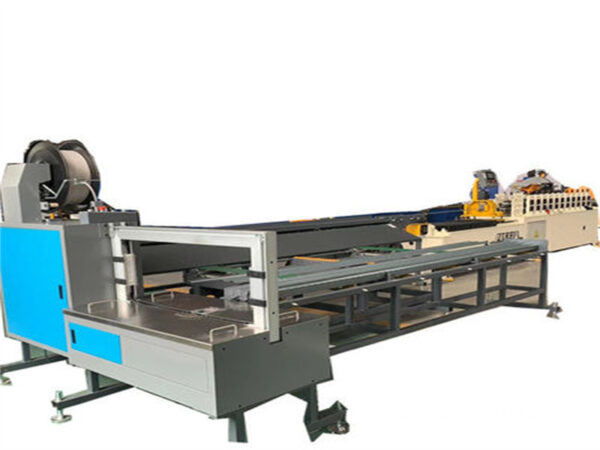
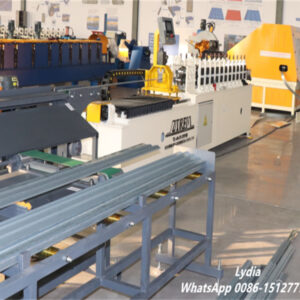
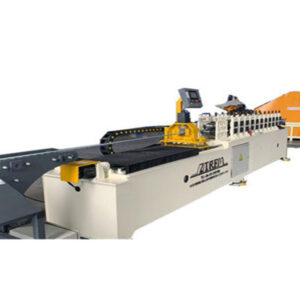
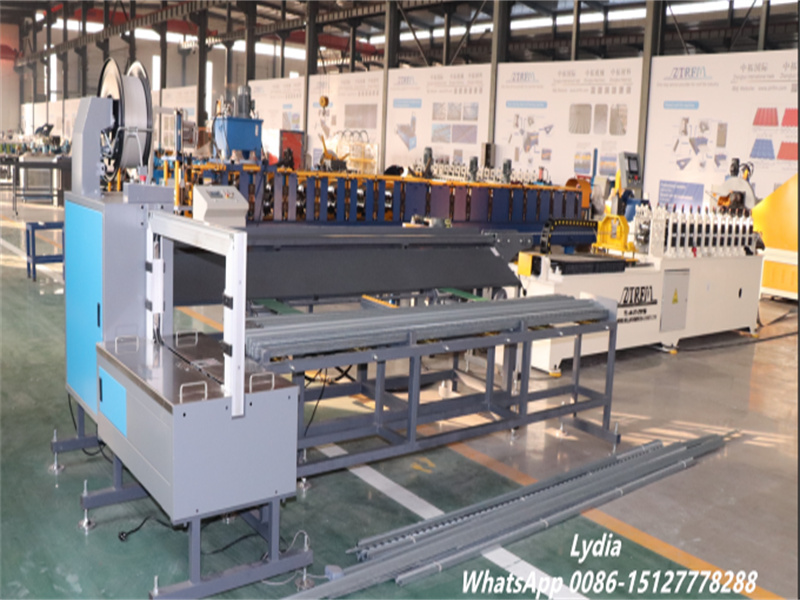
The Single-Leg Resilient Channel Roll Forming Machine is specially designed to produce resilient channels for drywall systems with high precision and efficiency.
The equipment performs the entire production process automatically. Therefore, manufacturers can achieve stable mass production with minimal manual intervention.
Main Components of the Machine
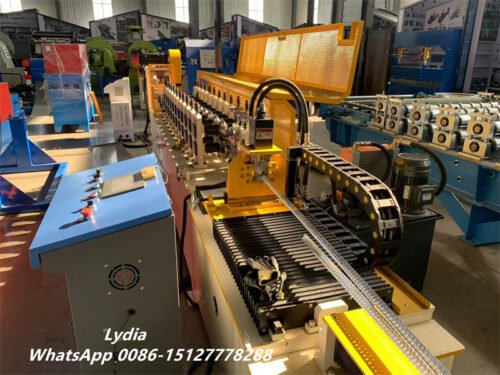
The roll forming production line usually includes the following units:
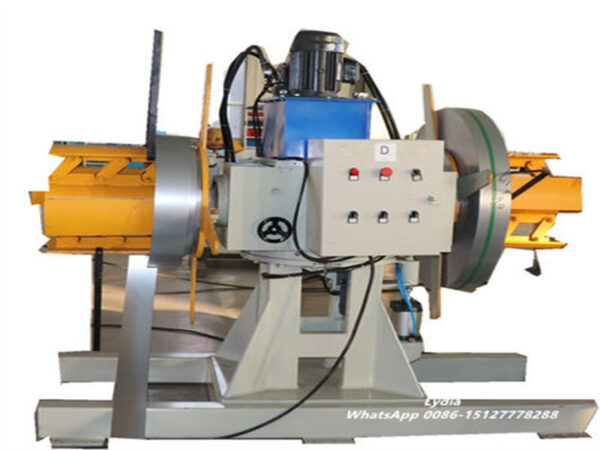
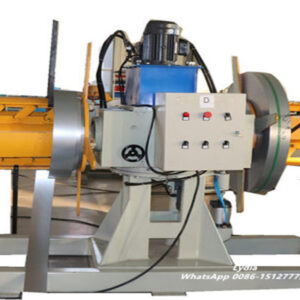
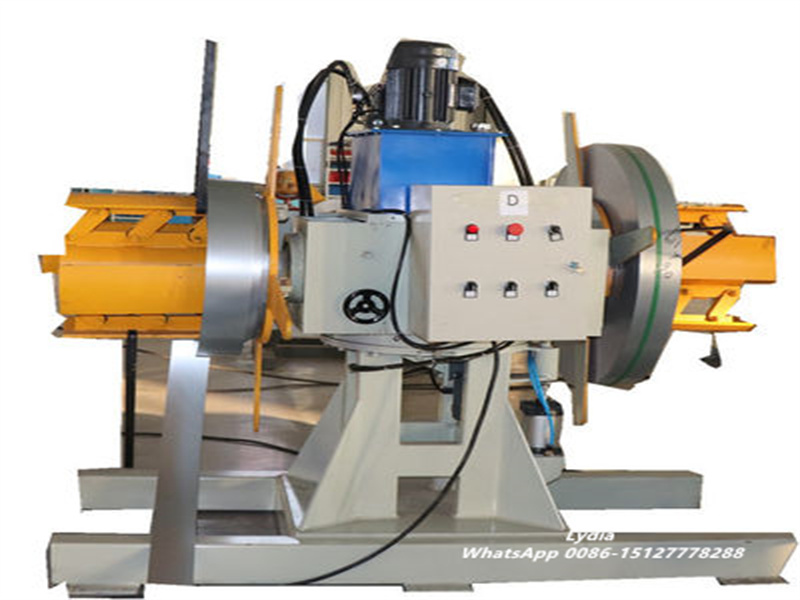
- Double Head Decoiler
- Leveling Machine
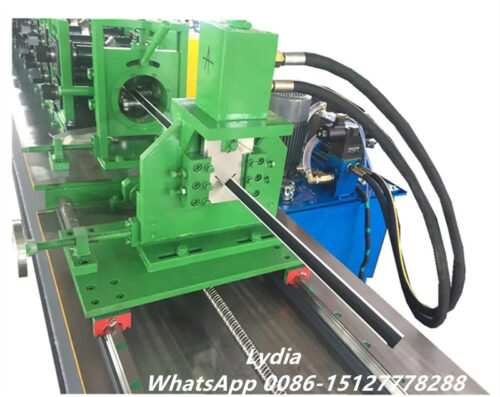
- Rotary Punching System
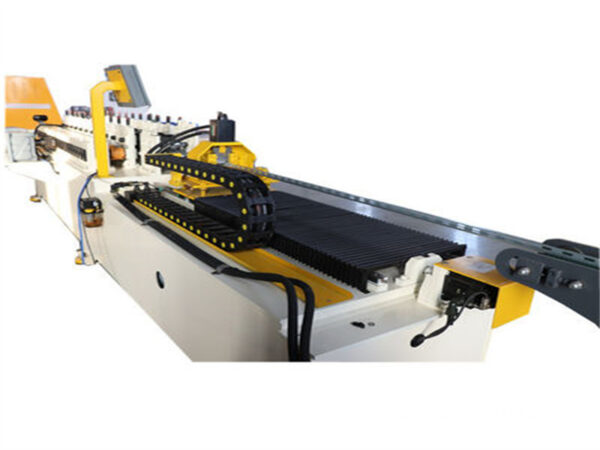
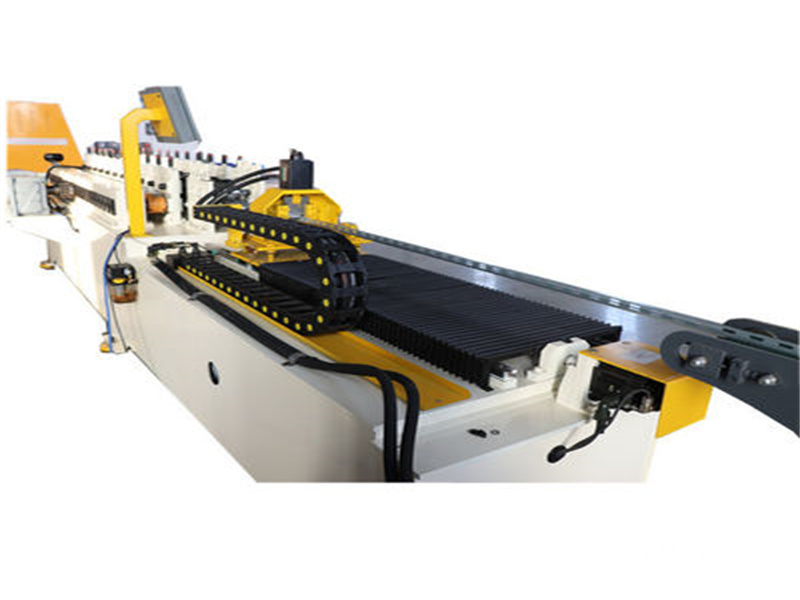
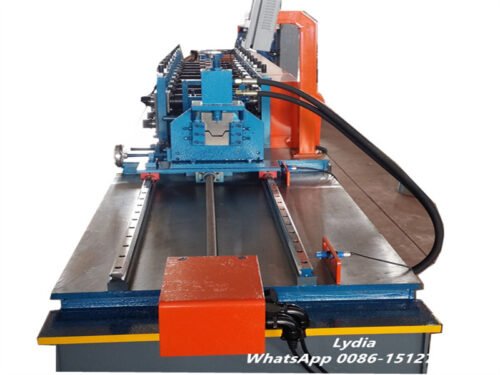
- Main Roll Forming Machine
- Servo Tracking Cutting System
- Receiving Table
- Automatic Packing System (Optional)
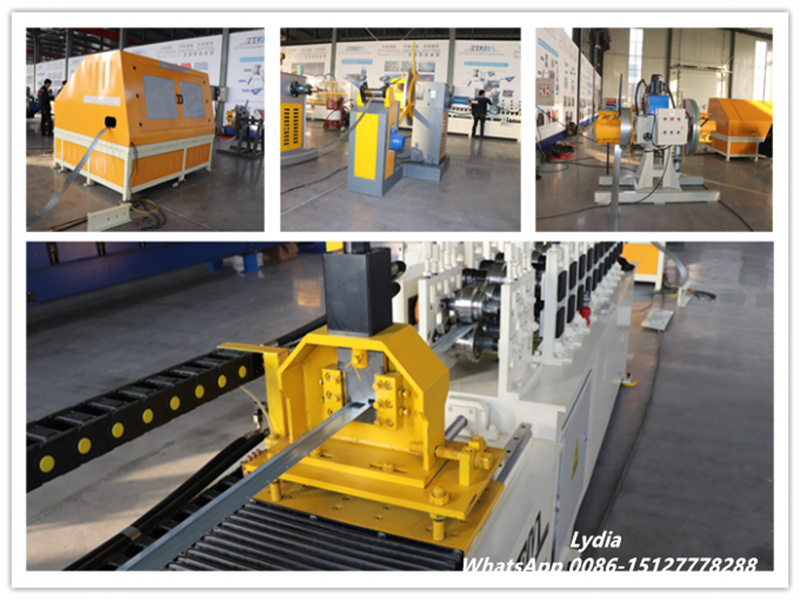
Each component works together to ensure high productivity and stable operation.
For example, the double head decoiler allows operators to prepare a second coil while the first one is still running. As a result, production downtime is significantly reduced.
Meanwhile, the leveling unit removes coil curvature before punching, which ensures accurate forming in the next stage.
The rotary punching system operates at speeds up to 120 meters per minute, while the entire production line can reach 70 meters per minute with punching.
In addition, the servo tracking cutting system guarantees precise length control without stopping the machine. Therefore, the equipment maintains high-speed production while delivering consistent product quality.
For customers who require fully automated packaging, manufacturers can also add an automatic bundling system to simplify the final handling process.
Installation and Application of Resilient Channels
Originally, builders developed resilient channels as spacers in drywall systems. They used them to transition between single-layer and double-layer gypsum boards. However, contractors soon discovered that these channels significantly improved acoustic performance.
Since then, resilient channels have become an important component in sound-control wall assemblies.
Industry standards such as ASTM C754 now include installation guidelines for resilient channels.
Key installation recommendations include:
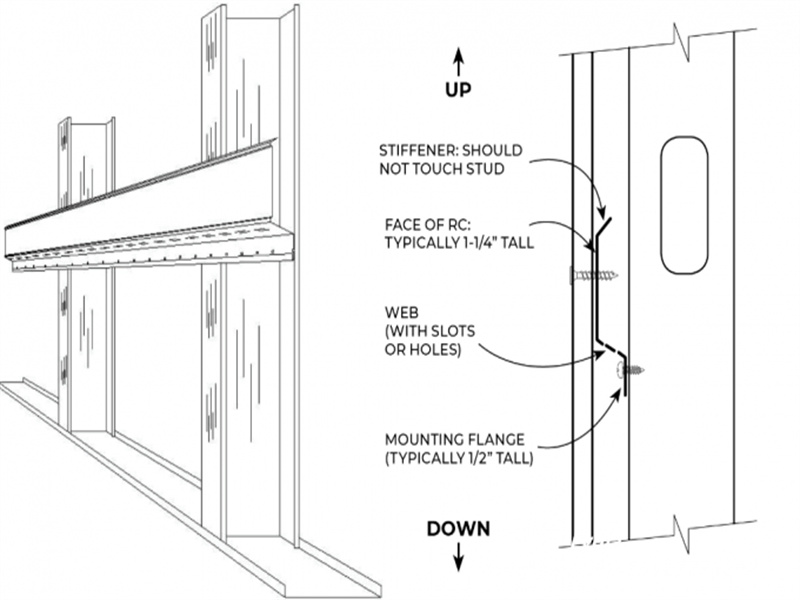
- Install the 1/2-inch mounting flange facing downward, while the 1-1/4-inch face flange faces upward.
- However, the first row near the floor may be installed in the opposite direction if necessary.
- Place the first row of resilient channel within 2 inches above the floor.
- Install the top row within 6 inches of the ceiling.
- Align holes or slots in the channel web with the structural framing members.
- Use the pre-punched holes in the narrow flange to attach the channel to the studs.
In addition, installers should fasten gypsum boards to the resilient channel using screws. Most importantly, the screws must not touch the framing studs, otherwise the sound isolation effect will be reduced.
Machine Technical Specifications of Single-Leg Resilient Channel (RC-1) Roll Forming Machine
| Item | Specification |
|---|---|
| Material Thickness | 0.4 – 1.2 mm Galvanized Steel |
| Forming Speed | 20 – 70 m/min |
| Forming Stations | 13 Stations |
| Shaft Material | GCr15 High-Grade Steel |
| Coil Inner Diameter | 460 – 520 mm |
| Machine Weight | Approx. 5 Tons |
Fastener Recommendations
For steel framing, installers usually use Type-S pan-head screws with a minimum length of 3/8 inch.
For wood framing, Type-S or Type-W screws with a length of 1-1/4 inch are recommended. However, excessively long screws may loosen as the wood shrinks during drying. Therefore, experts suggest limiting screw length to 1-1/4″ or 1-1/2″ when attaching channels to wood framing.
In many cases, using steel framing systems provides better long-term stability.





Reviews
There are no reviews yet.